What Drives Solar Panel Repair Costs Higher
Solar panel repair costs can vary widely depending on several factors. Understanding what drives these costs higher can help homeowners make better decisions when installing and maintaining their systems.
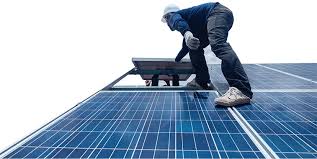
One major factor is the quality of the original installation. Systems that are poorly installed are more likely to experience issues such as loose wiring, misaligned panels, and water intrusion. These problems can lead to costly repairs if not addressed early. Investing in high quality solar installation can significantly reduce long-term expenses.
Another factor is the type of equipment used. Premium panels and inverters are generally more durable and efficient, while cheaper components may fail more quickly. Although high-quality equipment comes with a higher upfront cost, it often results in fewer repairs over time.
Environmental conditions also play a significant role. Areas prone to storms, heavy rainfall, or extreme heat can put additional stress on solar systems. These conditions can lead to more frequent maintenance and repairs, increasing overall costs.
System age is another important consideration. Older systems are more likely to experience wear and tear, leading to higher repair expenses. Regular maintenance can help extend the lifespan of your system and reduce the need for major repairs.
Accessibility can also impact repair costs. Systems installed on steep roofs or hard-to-reach areas may require additional labor and safety measures, increasing the cost of repairs. Planning your installation with accessibility in mind can help reduce these expenses.
The availability of replacement parts is another factor. Some components may be harder to find or more expensive, especially for older systems. Keeping records of your system’s specifications can make it easier to source parts when needed.
Labor costs can vary depending on the expertise required. Complex repairs often require specialized skills, which can increase costs. Hiring experienced professionals ensures that repairs are done correctly, reducing the risk of recurring issues.
Preventive maintenance is one of the best ways to control repair costs. Regular inspections and cleaning can help identify problems early and prevent them from escalating. Investing in preventive solar maintenance plans can save money in the long run.
Monitoring systems also play a crucial role in managing costs. By detecting performance issues early, you can address them before they become major problems. This reduces the likelihood of expensive repairs and keeps your system running efficiently.
In the end, understanding the factors that drive repair costs higher allows homeowners to take proactive steps. By investing in quality equipment, proper installation, and regular maintenance, you can minimize expenses and maximize the lifespan of your solar panels.